Watery spaghetti topping got you down? Try these five tweaks to fix it fast. A slow bubble on the stove works wonders. Cornstarch slurry pulls double duty when time is short. Grated cheese adds richness while helping thickness. Tomato paste deepens flavor and soaks up extra liquid. Even a pat of butter stirs in silkiness at the end. Dinner stays served without fuss or noise.
Fog gathers on the lenses as hands work through papery skins, time slipping by while pots hum under steady warmth. Round and round goes the carved handle, drifting scents along baseboards like echoes from older homes. Still, once twists land on porcelain, gloss slides off, running where it should stick. It settles below, leaving curves bare. A moment passes. Up come hollow tines, lifting nothing but air.
Lots of people cooking at home face the same soggy result. Yet fixing it doesn’t demand fancy training. A few quiet tweaks make all the difference. Hope sits right inside that pot. Out of nowhere, a small change on the burner shifts everything. What started flat now fills out – rich, warm, close to what you’d get in an old corner spot downtown.
Heat stirred in might save a watery pasta sauce. Letting it bubble slow lets steam carry off extra liquid. Every method matches its own kind of hurry or calm.
Why Does Your Pasta Sauce End Up Watery?
Finding out why something went wrong matters before jumping in. A runny sauce? That often traces back to just three possible causes:
Water sneaks out of fresh veggies while they heat up. Tomatoes drip when warm. Mushrooms ooze without warning. Zucchini lets go in the pan. That moisture pools if there is no escape. Heat pulls liquid where you do not expect it. The mix turns soggy before you notice.
Too little cooking time on low heat means the liquid stays watery. You moved too fast. The sauce has to sit and thicken slowly.
Pouring pasta water in all wrong – sure, that starchy liquid works wonders. Yet a flood of it right away? Sauce ends up loose, lifeless.
A quiet kitchen allows depth to rise slowly. Steam carries away what’s unnecessary. What stays behind learns how to connect.
Fix Thin Pasta Sauce with These Simple Adjustments
Wait longer on low heat – time changes everything. A slow bubble pulls flavors together better than any spice. Good things arrive when you stop rushing the pot. Let minutes stack up, one after another. This is where depth begins. Nothing forces it like a hurry. Taste again later – you will notice
Patience handles most of it. A slow bubble works best here. Time ranges between ten and twenty minutes. Watch how the liquid thickens over heat. No cover means steam escapes freely. This step builds texture gradually.
Avoid scorching by giving it a stir now and then – this matters more when tomatoes are involved. Sometimes things stick, particularly if left too long without attention.
That day sticks in my mind – first try at homemade marinara. Too eager, I dished it out quickly, barely ten minutes passed. What happened then taught me something.
Waiting turned everything around.
A broad skillet lets moisture escape more quickly compared to a tall pot. When minutes matter, try using that flat pan instead of the usual cooker.
2. Use the “Pasta Water Trick” Correctly
Here’s a secret most cooks miss. That starchy liquid left after boiling pasta? Works like glue between sauce and noodles. Yet pour in too much, suddenly everything turns thin and sloppy. The trick lies in how you add it – slowly matters more than amount.
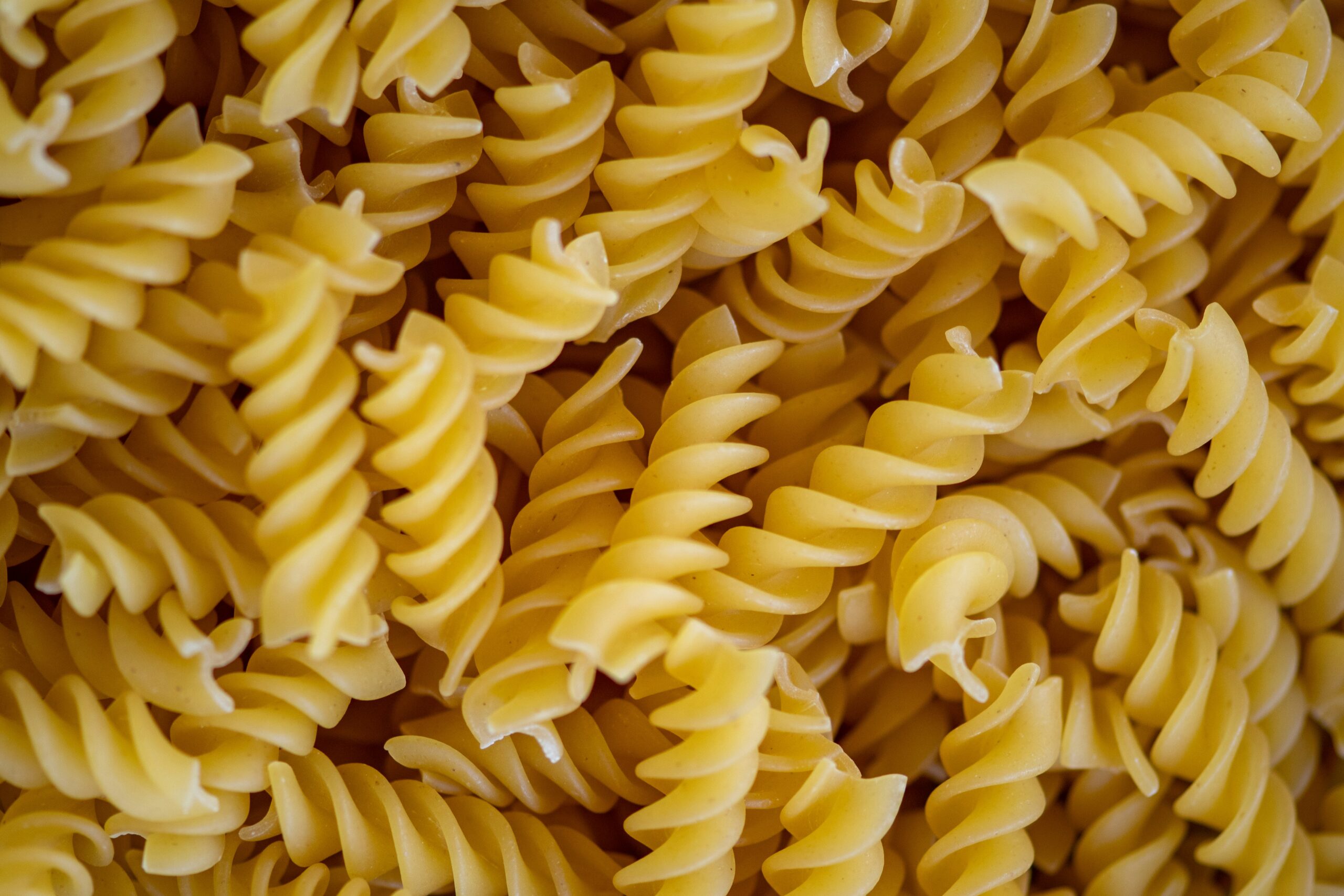
Stir it all around before adding more. That way everything blends slowly. Little splashes keep the mix loose without watering it down. Keep going until it feels right. Each round changes the texture just a bit. Move the pan as you go. The motion helps even out the wetness. Finish when it coats every strand. Not sooner. Once it’s in, there is no pulling it back.
3. Try a different thickener – skip the flour this time
Finding flour okay? It might carry an odd flavor when undercooked. Consider switching – these alternatives often perform better
Start strong with tomato paste. It brings depth, makes things thicker, yet stays quiet in taste. Toss in one or two spoons full. Let it cook down slowly. Heat wakes up its hidden weight. A small move, but everything gets fuller.
Not too strong, its tang stays close, smoothing every mouthful instead of shouting. With rising heat, the faint nuttiness fades softer, blending without notice.
That crunch you hear? It pulls out dampness much like a little sponge does. Golden hues often mean they perform more effectively. Heating changes each piece differently. Firm at first touch, they slowly drink up nearby moisture once heat hits. This change slips by quick – barely seen. The surface turned soft where it was crisp.
Heat it slowly until the liquid thickens and holds itself together.A lone spoonful of chilled mash shifted the whole night right then.
The watery sauce turned rich without a trace of how it happened. Nobody guessed the trick hiding in plain sight. The best fixes often come from what’s already around.
4. Remove Excess Liquid from Vegetables
As things warm up, those vegetables surrender their water content. When they are freshly picked and juicy, simmering draws it out bit by bit. Slow cooking makes the release more noticeable.
That wetness seeps in as the pan warms, changing how thick the mix feels. Watery bits drift free once heat breaks down their cell walls. Moisture spreads through the blend without warning. As it simmers, the broth around them grows thinner than expected.
Begins with a sizzle – soften juicy veggies on their own till moisture runs off. Only after that do they join the sauce. Heat works better this way, without diluting flavors too soon.
Wipe each piece gently with a clean cloth. Proceed only after they feel mostly dry. Heat begins better when wetness is gone.
A backyard mistake taught me – too much water made the zucchini fall apart into something runny instead of rich.
Each brings its own richness slowly. The pan warms just enough before adding either. Smoothness matters most at the end
Funny thing – even though it won’t soak up any liquid, it forms a mix that coats the tongue like a heavier sauce. The texture shifts without adding bulk.
A second spoon can deepen the coat if needed. Cool cubes work best – they melt just enough without breaking the emulsion. The result feels soft on the tongue, rounded but not heavy.
A splash of top-grade olive oil right before serving brings depth, a silky shine. Richness rises when it hits the plate.
Bold flavors start where oil meets vinegar, held together by quiet chemistry.
How to Keep Sauce from Getting Watery
Start by keeping liquid under control right away
A tiny bit of crunch stays in the pasta if you pull it early. That one minute shorter makes a difference when heat keeps working later. The pan takes over where boiling left off. Sauce soaks in while warmth finishes what water started.
Start with whole tomatoes, then break them apart using your fingers. Unlike canned crushed versions, these won’t bring added liquid or unneeded ingredients along. Most store-bought kinds hide extras you probably don’t want. By crushing fresh ones yourself, control stays in your hands.
Long exposure to intense heat isn’t ideal. Tomatoes soften too quickly when boiled fast, plus extra moisture escapes that way.
Common mistakes that make sauce watery
Mistake Occurs Due to Common Error Corrected by Simple Adjustment
A splash of too much starchy liquid turns sauce gluey. Tossing like a whirlwind scatters noodles across the counter. Drizzle in small amounts, quarter cups doing the work.
Lid on means steam stays inside, liquid level holds steady. Without cover, moisture escapes slowly into the air. Heat gently without trapping vapors above surface
Start with mushrooms or zucchini – they drip when raw. Skip boiling; it makes things soggy. Try browning them slowly instead. A pinch of salt early helps pull out moisture. Let that steam escape while cooking. Wet vegetables turn textures strange if ignored. Dry heat works better than water here
Draining pasta under water right after cooking strips out the starchy coating. That sticky layer helps sauce stick, so losing it changes how flavors cling. The only time to splash it with cool water is when chilling it later for a bowl with veggies and dressing.
Without letting it bubble slowly, flavors miss their chance to blend. Hurrying the process leaves things flat. Let the mix cook gently for twenty to thirty minutes, maybe even a bit longer
When Starting Over Makes Sense And When It Does Not
Every now and then, a sauce won’t turn out right. When it’s runny enough to pass for watery juice, better to begin again – maybe give it another job instead
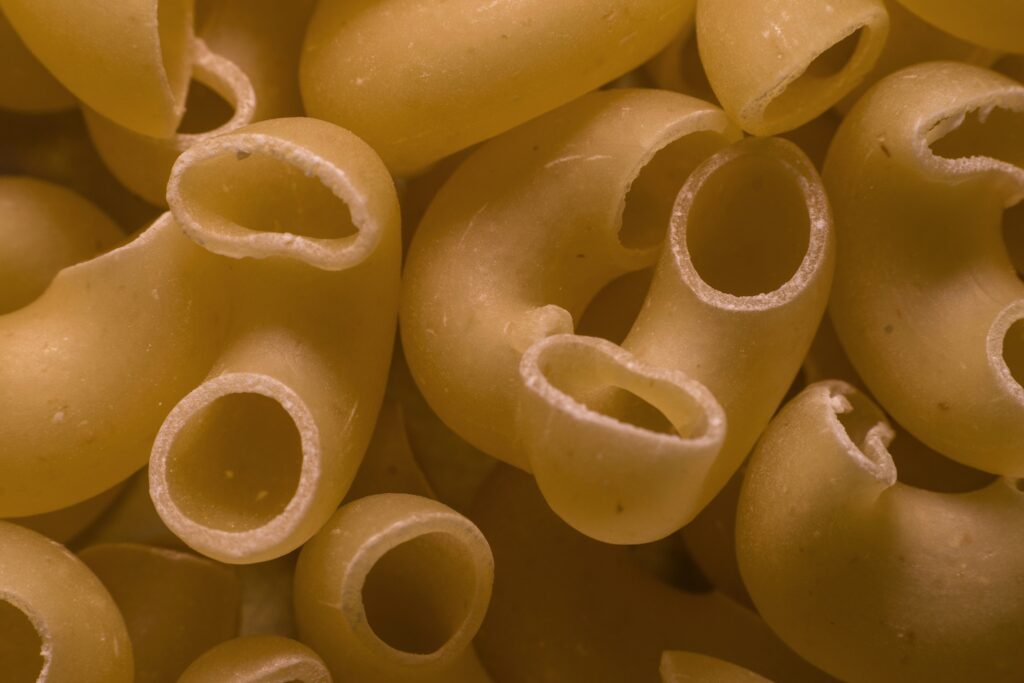
Broth goes first. Into that, drop diced veggies alongside beans for a quick depth of taste. Mix it all till it bubbles into a rich, chunky blend. Leftovers shift here into meals that feel cozy and full. Little work needed at all.
Faint heat rises beneath the thin broth, stirring its surface into soft waves.
A soft simmer holds eggs gently, giving them depth without force. Try slipping raw chicken into the liquid instead – slow heat brings out its quiet strength. The broth wraps around each piece, working quietly. When done, the food carries a trace of what it soaked in. Nothing added. Just changes you can taste.
Frozen portions of thin sauce hold up well when saved for another day. A batch made now can become tomorrow’s starting point without trouble. Later on, it thaws smoothly into new dishes. Stored right, it keeps its character through weeks. This kind stays useful even after time passes by.
Most times, though, one of those five tricks pulls the meal back. A spoon of tomato paste – plus time – has fixed way too many sauces for me to count.
A loose pasta sauce might seem like a meal gone wrong, yet there’s usually a way out. If patience means letting it bubble a bit more, choosing a smart thickener works wonders too, or even stirring in rich Parmesan to bring things together – options are within reach when moments before everything feels thin.
Here’s what counts: slow work beats expensive picks. When the sauce simmers as it should, depth spreads through each twist of noodle. A quiet process builds taste that sticks.
Did something ever go wrong with your sauce? How do you fix it when it needs to be thicker? Share what happened down below – tell me about the time you kept the meal alive.
Frequently Asked Questions
Why does my sauce get watery after adding pasta?
Most times, this comes down to pouring in too much starchy cooking liquid at once. It can also show up when noodles get washed after they’re cooked – washing takes away the gluey film needed for coating. Save a cup of the hot water before draining. Slide it into the pan with the spoon while mixing.
Is your pasta sauce getting thicker the longer it simmers?
Water escapes when you leave the pot open, slowly making the liquid thicker. For real change, cook it like that for twenty minutes minimum. That’s how sauces get denser without adding anything.
How do you fix watery spaghetti sauce without tomato paste?
Thickening doesn’t have to change the taste – try using finely shredded Parmesan instead. A mix of water and cornstarch works well when stirred in slowly.