That moment sticks in my mind – my hands covered in flour, unsure what came next. The kitchen smelled like butter warming under morning light. A recipe written on a torn piece of paper sat crooked by the bowl. Mistakes happened early, though nothing burned. Cold water dripped slowly into cracked eggs. Each motion felt clumsy, unfamiliar. Yet something about it held together anyway.
Falling rain tapped the windows on a Sunday deep in the afternoon. Somehow, I’d gotten it into my head that genius waited just ahead. A recipe blinked from the screen, promising wonders if steps were obeyed. Each move made felt precise, almost reverent. What cooled on the counter later could not rise, nor crack, nor pretend at lightness. That flat round held weight like stone, gray and lifeless. If she had seen it – my grandmother – her eyes would’ve dropped first, then her voice.
Here’s what stung most – I couldn’t tell where things fell apart.
Ever had that moment? You might know the scene. There you are, in the middle of baking, dusting of white stuck to your skin – really, how did it land up there? Eyes locked on something flat and sad instead of golden spirals full of richness. That kind of letdown could push anyone to quit trying completely.
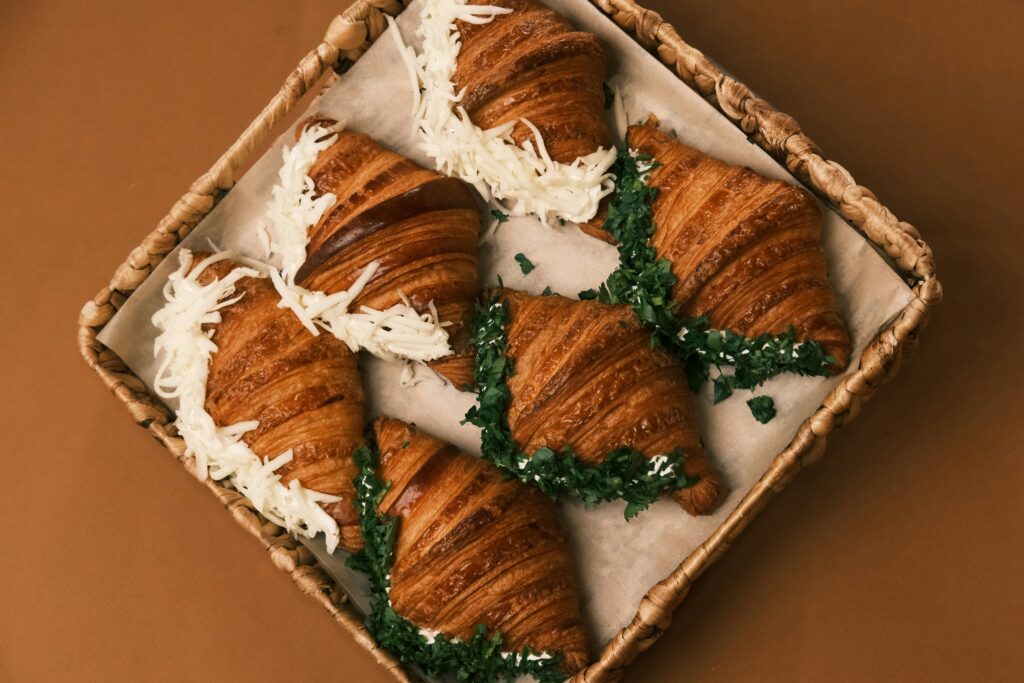
Here’s what hit me after plenty of messes, ruined pages, and greasy cookbook margins – flaky crust doesn’t come from luck. Not something only experts or family keepers of ancient kitchen scrolls can pull off. Turns out, it thrives on a few clear ideas repeated without skipping steps.
Pull back the curtain, maybe, on flakiness in pastries – then see exactly why yours crumbles just right.
What Does Flaky Really Mean?
What exactly are we aiming for? That’s worth sorting out before exploring how to do it.
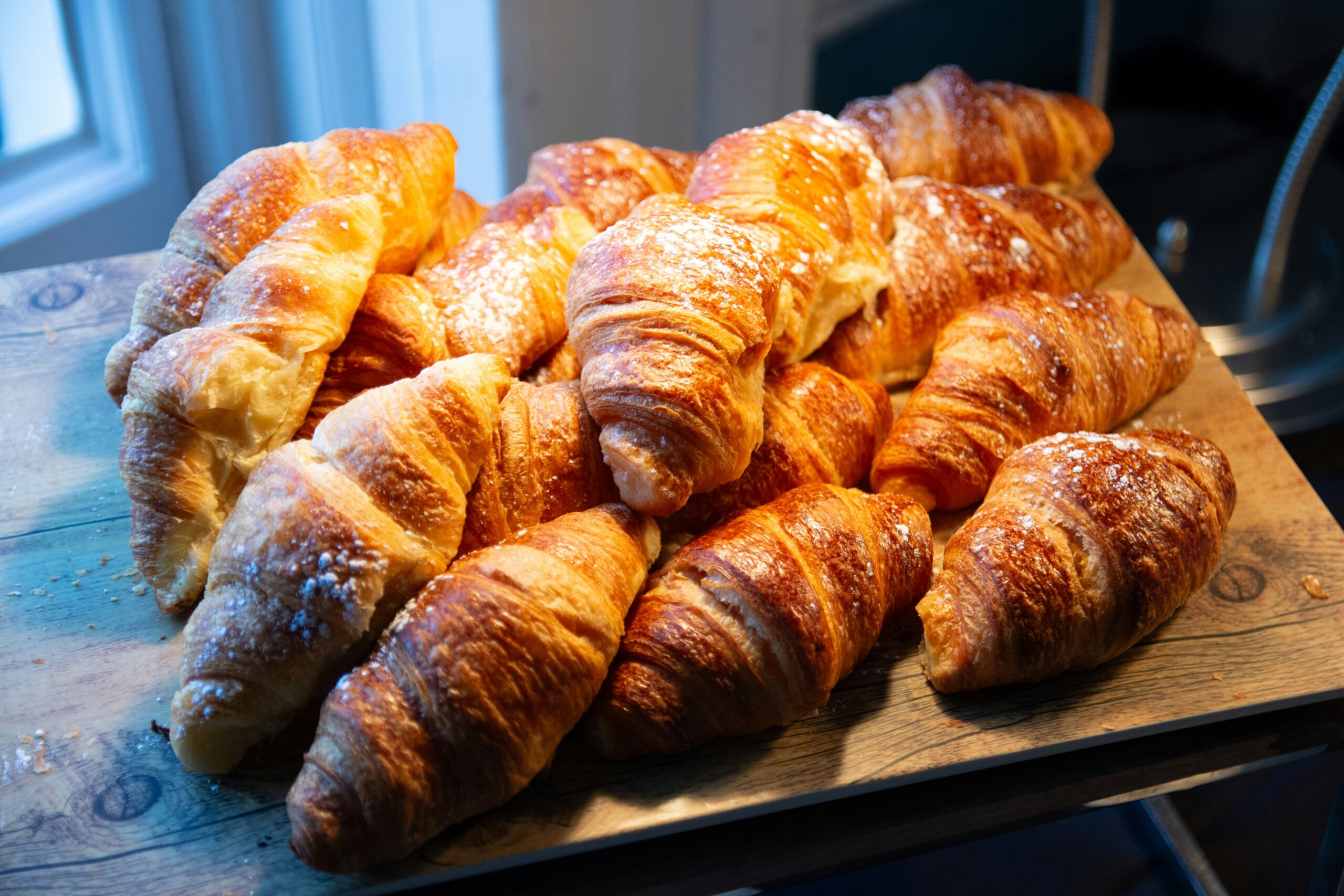
Those delicate sheets stacking up inside your favorite baked goods – that’s flaky texture. Biting down brings tiny cracks, like crisp autumn leaves underfoot. Think of how a good croissant feels: rich without trying too hard. A proper pie edge stays intact until pressure splits it open. Listen closely. The moment metal meets crust, there’s a soft rush, almost whispering.
Built like tiny sheets stacked one over another – fat meets flour with water holding them together. Melt happens when heat hits the oven, turning solid fat into vapor-heavy gaps. Steam puffs up between thin coatings of flour, rising slowly at first. Space grows where once there was just mix. Flakes form naturally, shaped by escape routes of hot breath trapped inside. Each break apart reveals a new hollow, made real by warmth.
What makes it work? Not fancy stuff. Heat control matters most. Then how you move your hands through the steps. A dash of waiting helps too.
The Cold Truth Literally
Cold shows up when you need it most. The moment things warm up, trouble starts knocking. Remember that above all.
This needs saying again. Most new cooks mess up the same way – so did I, long ago – by letting everything get too warm.
Melted too soon, butter slips into the flour without holding its shape. Because of that, there are no separate chunks left behind. It is those little cold bits doing the work – building gaps and spaces. Without them, the result spreads like a biscuit baked on a hot stone. Pleasant enough to eat, just flat where it should rise.
Keep everything cold:
Fresh out of the cold keeps it firm. Right after chilling works best. Cold to the touch makes a difference. Straight from icy storage holds shape better. A chill before use matters most
A glass filled with ice makes your drink cold enough to feel refreshing. Chilled means more than just cool – it needs actual cubes inside. Cold water tastes sharper when ice bobs on top. The temperature hits right only if frosty bits float in sight. Real chill comes from visible ice, not just a fridge touch.
Your bowl along with the space you’re working on might need cooling if your kitchen feels hot
Start by rinsing your hands – just let the cool stream flow over them first
That summer, sweat dripped while I fought dough that refused to behave. Heat had won – butter melted fast, crust collapsed without warning. A cold bowl sits in the freezer now, waiting long before touch. People might think it’s too much, yet the result stays firm, holds shape, behaves. Strange how one small wait fixes what felt impossible.
The Butter Situation
Baking treats rely on different kinds of fat, each behaving its own way.
Flavor wins when butter steps into the pan – no question. Steam rises because tiny droplets hide inside, making layers puff just right. Melting kicks in early, so speed becomes part of the process. Other fats try hard, yet none match that rich depth.
Waterless and built to withstand heat, shortening changes how pastries behave during baking. Because of its high melt threshold, results tend to stay soft without falling apart easily. Still, taste takes a hit when that ingredient leads the recipe. Swapping it means balancing texture against richness every single time.
Pastry made with lard turns out light and crisp, just like before. That old trick? Grandmas used it without saying much. A mild taste lets ingredients shine through. Should you spot leaf lard at the market, consider how it behaves in dough.
Truth is, I like both – butter brings taste, yet shortening makes things easier to handle. Around three parts butter, one part shortening hits right for me.
Funny thing – European butter packs more fat, around 82 to 85 percent, while holding back on the water compared to the kind made in America. That extra richness? It creates pastries that crumble just right when you bite. Might be worth grabbing next time you’re aiming high without saying it aloud.
The Size of Your Butter Matters
Funny thing – no one mentioned this for ages: slicing your butter a certain way alters how your baked treat turns out.
A few chunks of butter should stay a bit bigger when making something flaky – think pie dough or biscuits. Pea-sized bits work well, though exact uniformity isn’t needed. Larger pieces melt slower, releasing steam that pushes layers apart. Smaller ones blend in more, but those uneven spots help build texture. Steam from the cold fat is what opens up space between folds.
Butter should mix into the flour until it looks like gritty sand – that’s what makes a soft, breakable base good for holding wet fillings. Tiny bits of fat mean fewer separate layers will form when baked.
Here’s something most recipes skip right past. Not one explains the reason behind it. Instead they toss out “cut in butter until pea-sized” like everyone gets it. But that step? It matters more than they let on.
The Water Mystery
Right? Water feels basic. Just H₂O, nothing fancy. Yet the quantity matters more than you’d think. How you pour it in changes everything too. Get it wrong, a pastry falls apart. Too much splash, too little care – it won’t rise. Timing slips, texture shifts. That quiet step hides real power.
Start mixing too much liquid into flour, things shift fast. Gluten wakes up – the stuff giving bread its grip. It builds strength where softness should live. Pastry needs quiet proteins, not a network of stretch. Add extra drops, the outcome turns rubbery without warning. A crisp break becomes a stubborn pull instead.
Start by mixing in water slowly, just a spoonful each round. After every splash, lift and turn the blend using a fork. When clumps start sticking slightly under pressure, halt. A rough appearance matters more than sleekness here. Texture ought to seem messy, never polished.
Frozen? That is what the water should feel like. Seriously. Toss some ice pieces into your glass first thing.
The Handling Problem
This is the part where things went wrong for me at first: touching the dough too often messed it up.
Kneading builds strong networks of gluten – wet flour transformed by motion. Bread thrives on that structure. Pastry falls apart because of it.
Pastry dough acts a lot like someone who values their quiet time. When you keep pressing and stretching it, resistance grows. Leave it mostly alone, touch it lightly, then softness follows. It gives back just what you give – calm handling brings delicate results.
A soft hand works best when gathering the dough. Blend only until everything holds. Rolling needs calm, steady pushes across the surface. Cracks along the sides mean pause – give it time to settle.
The Resting Period – Don’t Skip It
Now the flour and water are one. Hands feel sticky. Time pulls at you to start shaping. Wait.
Stop right there.
Wait a while before using the dough. Cover it tightly with wrap, then slide it into the fridge – thirty minutes minimum, though sixty works better.
That’s the reason: letting it sit handles two jobs. One, cooling the butter back down following all the touch. Two, calming the gluten formed during stirring. Each helps the dough roll smoother plus bake softer.
These days, I wait. Back when rushing ruled, I’d ignore the pause – now it’s part of the rhythm. The dough sits. I wipe counters, put bowls aside, let time do its work. When fingers touch it again, the texture yields without protest.
The Rolling Technique
Once you decide to begin, this is what helps things go smoothly
Start at the middle, move the rolling pin forward only. Picture sending the dough farther each time, rotate it slightly after every push. That way, the slab stays uniform across. One direction works better than going over the same spot.
Frequently turning the dough keeps it from clinging to the surface. Because of this, staying close to a circular form becomes easier – assuming that is the goal. Though shape might shift, movement during handling makes a difference.
Maybe let it be. When rolling out the dough causes it to pull back, pause awhile longer. Cover it, slide into the refrigerator again – half an hour should do. That shrinkage? Not trouble. Just how flour and water ask for quiet time.
What Temperature to Bake
Hot oven. Really.
Popping into a hot oven is how pastry wakes up fast. Steam rushes between thin sheets while the dough still dreams. When warmth creeps instead of roars, butter bleeds out like a slow leak. Layers collapse without fight. What comes out looks innocent but chews like pavement.
rust what the recipe says – yet realize low temps bring lackluster outcomes. Heat shapes character, after all.
common problems and solutions
Falling apart? That crumbly mix needs just a touch more moisture. Try drizzling cold water – spot by spot – where it looks dusty. Mix slow, barely turning it over. Add another spoonful only if still resisting.
Sometimes stickiness means your dough needs just a light dusting of flour. Go slow when adding it. Cold helps more than you might think – toss it in the fridge awhile. Chilled dough often behaves better.
Something odd happened – my crust pulled inward while it baked. That usually means the gluten got overworked. Try touching the dough fewer times next round, leave it be for a spell before shaping.
Soggy base? Try brushing on a thin layer of beaten egg white first. That little step might just hold back the moisture. Or go ahead and pre-bake the shell – just halfway done, nothing full. Heat sets the structure before wet fillings arrive. Either trick tends to help. The crust stays firmer that way.
Baking my pastry didn’t give that crisp layering. Likely, the butter was cut too fine, maybe the mix warmed up while I worked it. For better results, chunkier butter bits could help, keeping ingredients chilled matters just as much.
Tools That Work
A kitchen full of gadgets won’t guarantee great pastry. What counts comes down to a few quiet truths. Focus shifts easily when basics are clear. Pay attention grows where skill meets simplicity. Results speak before tools ever do.
Butter stays cool when you use a tool made for slicing it into meal. Hands can do the job, yet heat tends to spread through touch.
Fewer messes happen when you use parchment – it keeps dough from sticking while you roll. Try sliding a sheet underneath, then another on top, instead of dusting flour everywhere.
Start quick when using a food processor – it behaves well only with care. Stop before it goes too far; let pieces of butter reach about the size of peas. Move everything to a bowl right after. Pour in water slowly, mixing with your hands. Heat builds inside the machine, so keep pace without delay.
The Big Secret Nobody Told Me
Few realize how kind pastry dough can be – it bends without breaking, even when mistakes pile up.
Spending years scared of errors kept me far from baking. Each recipe felt like an exam I could flunk. Yet the reality is this – pastry gone wrong still ends up tasty. Maybe it lacks beauty, yet butter mixed with flour by heat rarely disappoints. Perfection? Unlikely. Worth eating? Always.
Pastry gets clearer each time you work with it. How it ought to feel becomes familiar. More water? Maybe another stretch in the fridge? Those signs start showing up. Gut knowing grows – something recipes just can’t pass on.
Something about pastry took years to learn. Cold butter matters most, always. Handle the dough like it might break, because it will. Resting isn’t optional – it changes everything underneath. Still, some secrets stay hidden until someone else shows up with flour on their sleeves. That moment? It shifts what comes next.
Got a baking moment that just never goes right? Something that keeps going off track, every single time? Or perhaps one small thing you figured out that made the whole process click? Share it down there in the replies. We all pick up tricks when we talk.
Should you give pastry a go using these hints – flaws included – I’d love to hear what happened. Mistakes often reveal just as much as wins do.
Something flaky waits to be made. The kitchen sits ready.