Hands hovering. Not sure how to start. The fruit looks perfect. Yet something stops you. A quiet hesitation takes over. Sharp knife nearby. Skin unbroken. Breath held. One wrong move feels possible. Fingers pause midair. Confidence slips. Just you and that glossy orange oval. Silence stretches. Pulse ticks. Decision waits
I’ve been there.
Slipping right through your fingers, that tricky fruit with the giant seed inside has left plenty of people frustrated. Chunks get torn apart, juice splatters across the counter, while part of it stays stuck tight to the core. Truth be told, I lost patience with it more than once.
Here’s what happens when you figure out how to slice a mango right – it changes everything. Mastering this one small trick means summer becomes something you wait for. Frustration fades away, so does tossing bits aside; instead there are neat pieces waiting – blend them, toss into bowls, eat by hand. The season shifts once you know the method.
This time, we sort it out for good.
Most People Have Trouble with Mangoes
Fair warning right up front – mangoes fight back when you try to eat them
Right in the middle sits a broad, flat seed. Oval-shaped, stretching from end to end inside the flesh. Hidden from sight, impossible to sense until contact. When your blade meets it suddenly, much of the fruit is already cut up carelessly.
That day sticks in my mind – trying to slice a mango for salsa. After twenty messy minutes, the counter was slick with juice, so was my chin, and hardly any flesh made it into the bowl. Then he came in, looked around, said it looked like the room won something.
Sound familiar?
Now that time has passed
The One Tool You Actually Need
Few things come first when getting started – tools matter most. Step-by-step comes later.
Simplicity works just fine. Fancy tools? Not required
Sometimes tools promise shortcuts – mango cutters included – but truth is, precision comes easier with familiar gear. Try swapping gadgets for a solid blade, add a peeler beside it. Results surprise most who test the old way. Sharp knives handle curves better than plastic gizmos pretend to. Peel first, slice close to the pit, that motion never gets outdated
A steady chopping surface matters more than most think. Stay safe out there.
How to Cut a Mango Without Mess
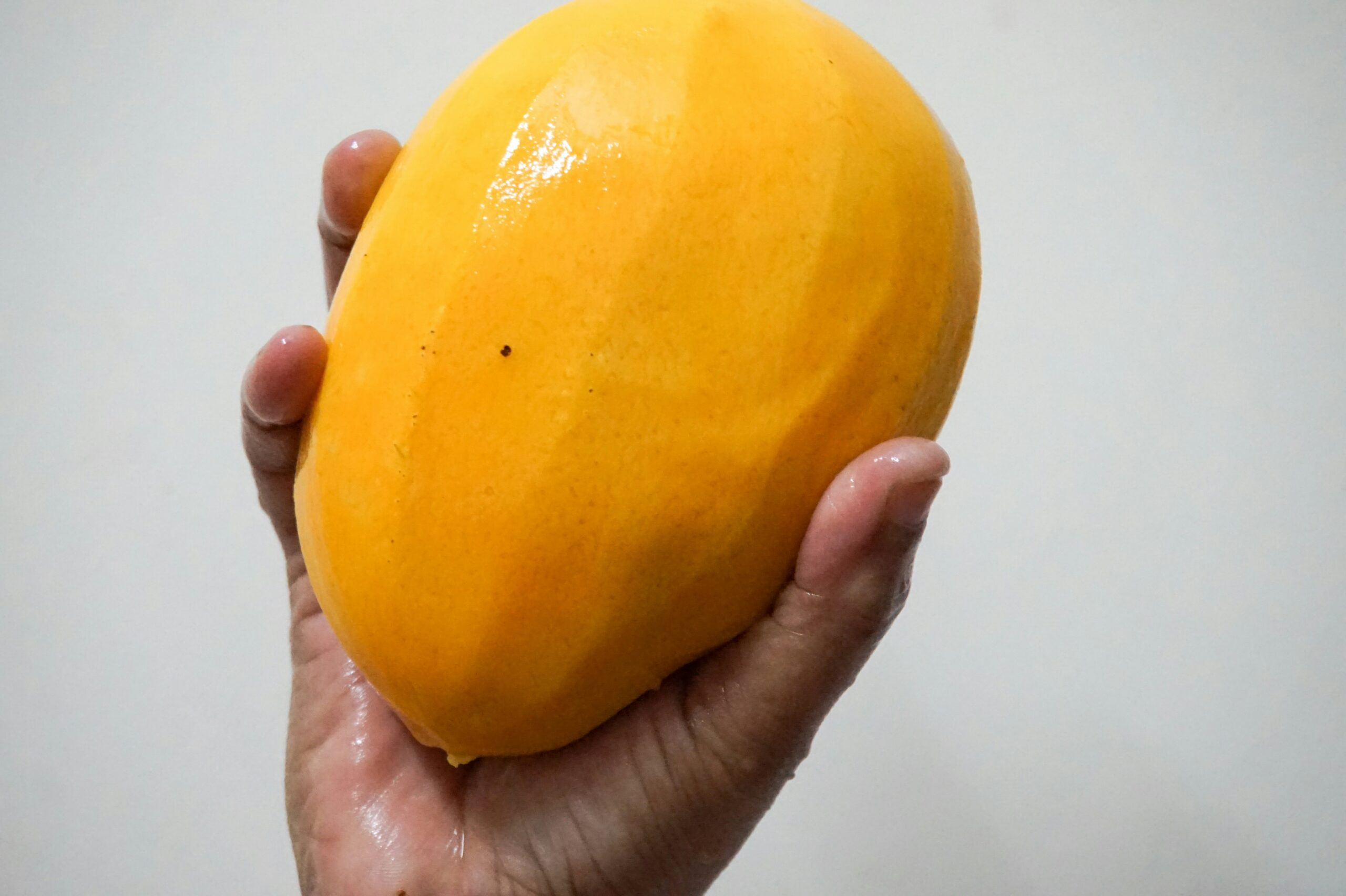
Find the Neck Area
Start by picking up the mango, then give it a close glance
See how it doesn’t look quite even? One edge bulges more. Inside that fuller part hides the pit – only it sits a bit lopsided. Not right in the middle. A little tilt toward one end gives it away.
Facing the stem downward, stand the mango up straight on the chopping surface. Its shape leans slightly, like a gentle bend just below the top. Along the broader faces runs the spot where blades go first. This wider part guides your knife’s starting place.
Find the Pit Without Guessing
A curve hides inside every mango, tucked where the flesh meets the core. That bend matters more than you might think when cutting it open. The seed isn’t straight – it twists slightly, like a flattened teardrop. Follow that line, and the knife slips easier through the fruit. Miss it, and the blade catches on the edge. Shape guides motion here, without warning. Each cut makes sense only if you see how the center leans
A mango splits into two rounded sides hugging a central stone. Aim to cut those outer sections free while letting the core stay put.
Here’s something handy: lightly trace the area with your fingertip. A small bump might reveal where the pit stops, even if you can’t see it. That tiny rise? It gives the edge away.
Slice off the cheeks
A firm grip keeps the mango still on the surface of the cutting area.
A little to one side of the middle – maybe a finger’s width away – you push the blade down. Feel it slip by the stone inside. On the opposite edge, do it again.
Well done – two smooth mango halves sit before you, plus there’s that middle part where bits of flesh stick to the seed.
Funny thing happened the first time it actually worked – picked up the phone, dialed my mom without thinking. Her laugh came through loud, maybe because it seemed silly to her. Still, moments like that? They stick around. Quiet wins often do.
Score the Cheeks Without Cutting the Skin
Hold a piece of mango in your hand, flesh facing up. The peel rests below, flat against your fingers
Flesh scored with a blade, forming squares – skin stays intact beneath. Half-inch gaps mark each upright slice across the surface. Across those, cuts run sideways now, shaping chunks below.
Start by slicing deep enough to reach just below the fruit’s outer layer. Imagine shaping a spiky ball, much like a spikey little creature made of mango pieces. Work carefully so the bottom skin stays whole throughout the process.
Invert the Cheek
That’s when things finally click into place.
A small push beneath lifts the flesh, flipping the cut section outward. Suddenly, neat squares rise into view – spiky, bright, bursting with mango flavor.
Don’t Waste the Pit
That thing in the middle had a hole right through it
A little left still. That mango has more to give than you think. Place it down gently on the board, then slide the knife close to the center seed. Peel the flesh away slow, keeping what matters
Maybe just grab it then take a bite where you stand. Truly. Zero complaints allowed. The chef earns that moment.
The Spoon Method A Different Way
Oh right, sometimes I skip the usual way if I’m not in the mood – or craving neat chunks – for a simpler trick that gives me strips straight off the fruit.
Pulling the meat free without slicing? Try sliding a spoon around the rim instead. Flesh separates cleanly when you follow the line between it and the outer layer. A gentle push near the border releases the whole section at once.
Mango pieces fit just right when you’re thinking of arranging them around a dish. They spread well across the surface, neat and tidy.
Check the color softness and smell near the stem
Truth hits hard when that mango resists the knife, firm and sour. A letdown spreads slow through the kitchen air
Finding a way past the pain? Try this
Slightly press it. When just right, the fruit yields a little – like an avocado that’s good to eat. If it feels like stone, wait longer.
Start by sniffing near the top of the fruit. Really, just give it a good whiff right where it once connected to the tree. That spot should carry a sugary, flowery scent when the mango is ready. When there’s no odor at all, leave it out longer.
Fade into view, the shade might hint at readiness. Depending on type, many mangoes blush richer tones – red washes or golden flecks show up near ripeness. Yet color fools often; eyes alone mislead. A few kinds never turn, staying green through and through even when ready to eat.
Bonus hint: Let that mango sit out on the kitchen edge a couple of days if it feels firm. Keeping it cold too soon stops the sweetness from showing up at all.
Mango Types and Their Unique Cutting Patterns
Fair warning – peeling into a mango can go smoothly or turn messy fast. Depends on the type you pick up.
Funny how such a small mango can taste so rich. Golden skin, almost like honey drizzled over it. A bit shorter than most, sure, yet somehow easier to handle. The pit sits flat, takes up less room. Not much effort needed at all.
Kent mangoes show up big, mostly green with yellow hints, tasting deeply sweet. Their flesh hardly has any stringy bits, so slicing feels smooth. A small seed hides inside, making more room for fruit. These work well when you need chunks on a plate.
Fibers weave through Tommy Atkins mangoes, those green fruits blushed with red sitting on supermarket shelves. Truth is they’re the hardest to handle. A bigger pit hides inside, making slicing feel clumsy. Sharpness matters more here – you’ll want a clean blade. Grocery favorites though they may be, peeling them tests your patience.
Reddish fruit speckled in green, Haden mangoes carry a fair bit of fiber inside. Their taste stands out, though slicing them means working slowly through stringy bits. Careful handling makes all the difference when preparing.
How to Use Your Perfectly Sliced Mango
With slicing mangos down, where do things go from here?
The blend holds its shape like soft ice. Spoon it into a bowl while cold. Top later if needed. Texture matters more than color here. Cold fruit makes it dense without ice.
Mango sticky rice sits sweet and simple on the plate. This favorite treat from Thailand brings bright fruit together with soft, chewy grains.
Sweet mango meets heat. A quick brush of honey first, then onto the grill – two to three minutes each way. The edges caramelize slightly. Heat deepens the flavor. Not what you expect from fruit. Almost smoky, almost sweet. Changes how it feels in your mouth. Simple move. Big shift.
The sweetness of fruit balances the sharp bite of vinaigrette slowly. Beans add soft texture next to smooth avocado bites. Citrus sparkles on top like sunshine poured over everything.
Start peeling one when the sun climbs high. Really, nothing else hits quite right like cool slices straight off the fruit at noon.
Ways People Cut Mangos Wrong And What To Do Instead
Mistake One Using A Blunt Knife
Slippery mango on a blunt blade? That often ends badly. Sharp edges cut cleaner, safer. Fewer slips mean fewer cuts. Hands stay whole when tools do their job.
Mistake Two Thinking You Know the Trap Location
Fruit gets wasted when cuts are random. Try the “neck” trick first – find the stone without guessing.
Mistake 3 Peel Before Washing
Look, peeling a mango too soon just makes it harder to handle. Its outer layer helps you hold steady while slicing. Work around it at first, separate the pieces cleanly. Only take off the fruit once the cuts are done.
Mistake Four Shaving Too Near The Skin
Start by slicing gently into the mango flesh. That way, the pieces stay connected underneath. Push upward once scored, letting them turn inside out. Depth matters – go too far, they won’t lift clean. Feel the resistance just before the skin. A light hand keeps structure intact. Notice how each segment rises when nudged. The goal shows clearly then: neat squares standing tall.
Cut Mango Storage Tips
Got extra mango slices lying around? Easy fix.
Five days is about right if kept out of air and light.
Frozen sheets hold the cubes firm before they migrate into sealed storage. Once hardened, slip them into a thick plastic pouch meant for frosty hiding. Months pass without harm done to their bright bite. When morning shakes call, these chillers drop right in.
Cutting near the stone helps keep control. After that, a spoon lifts out the inside easily. Skins that wiggle stay put till later. A blade that bites clean rarely slides off a peach’s curve. Each stone lands flush on its side without fail.
Peel stays on when cutting. It holds water inside while giving fingers something solid to hold onto instead. Sharp knives make clean cuts without crushing – less clutter afterward follows naturally.
Can you eat mango skin?
Sure on paper, but life plays out differently. A few people give it a go, while most leave the skin behind. This covering carries urushiol – the very compound in poison ivy – known to irritate some skin types. Chewing through it? Crunchy, jagged, harsh on the mouth. Stick to the flesh within instead.
Peeling it first helps little hands hold the fruit better. Slices work well when they’re thin enough to chew easily. A spoon scoops out pieces after slicing around the big seed inside. Cutting small cubes stops choking risks during snack time. Using a bowl catches drips while keeping things tidy nearby.
A single half of a ripe mango begins things. Draw cuts into the fruit’s flesh, careful to miss the skin below. Turn the inside out gently until chunks rise up like little spears. Watch young fingers pull each bit free, taking their time. Fun sneaks into meals now. Fewer spills show up when things move slower.
What tells you a mango has gone off?
When mangoes spoil, clues appear on the outside – check the peel first. Not quite right? Patches of fuzz may creep over spots where firmness should be. Press gently. It collapses without resistance. Smell close by. Something sharp like vinegar or old wine hangs around. Open it up. The flesh lost its glow, shifted toward dark grey, maybe black. Slippery now, not juicy. Might want to listen when a smell seems wrong. Get rid of fruit that gives you pause, even slightly.
Should you wash a mango before cutting?
Fruit you pick up might seem clean, yet tiny unseen guests ride along. Running it under tap water can knock most of those off. When cutting through a grimy peel, germs may dive inward instead.
Why is my mango stringy?
Fibers come naturally in some mango varieties. Think of Tommy Atkins – that gritty mouthfeel is kind of their thing. If silkier pulp wins for you, go for Ataulfo or perhaps Kent. Each one usually melts a bit more easily when bitten.
Meal prepping with mangoes – how far in advance is too far?
Chilled, fresh mango pieces keep well across several days. Lemon or lime adds a bright touch while delaying color shifts. Tucked inside a snug container, they wait without spoiling. Breakfast bowls welcome their sweetness just as much as afternoon snacks do.
Most people fumble at first. Yet peeling one isn’t as hard as it looks. Cut around the wide center pit, make shallow cuts in the fruit chunks instead. The rind slides away once sections are ready. A clean lift removes what’s inside. This way keeps juice off your hands. Many jump straight into slicing without thinking. Wait – .