That taste stuck with me, the very first moment my teeth broke through real Nashville hot chicken.
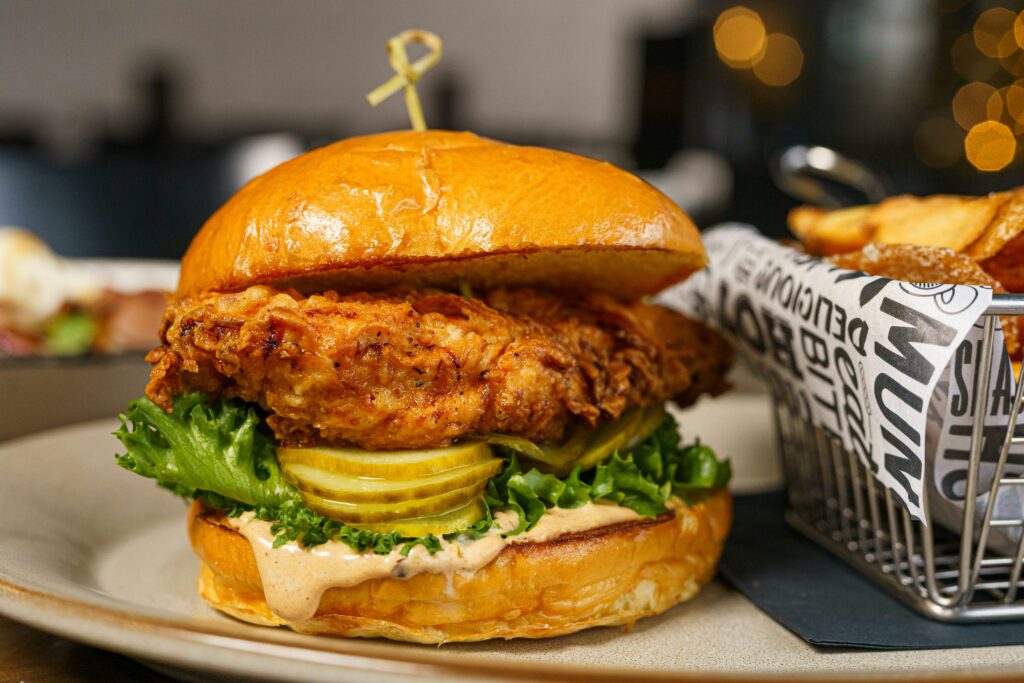
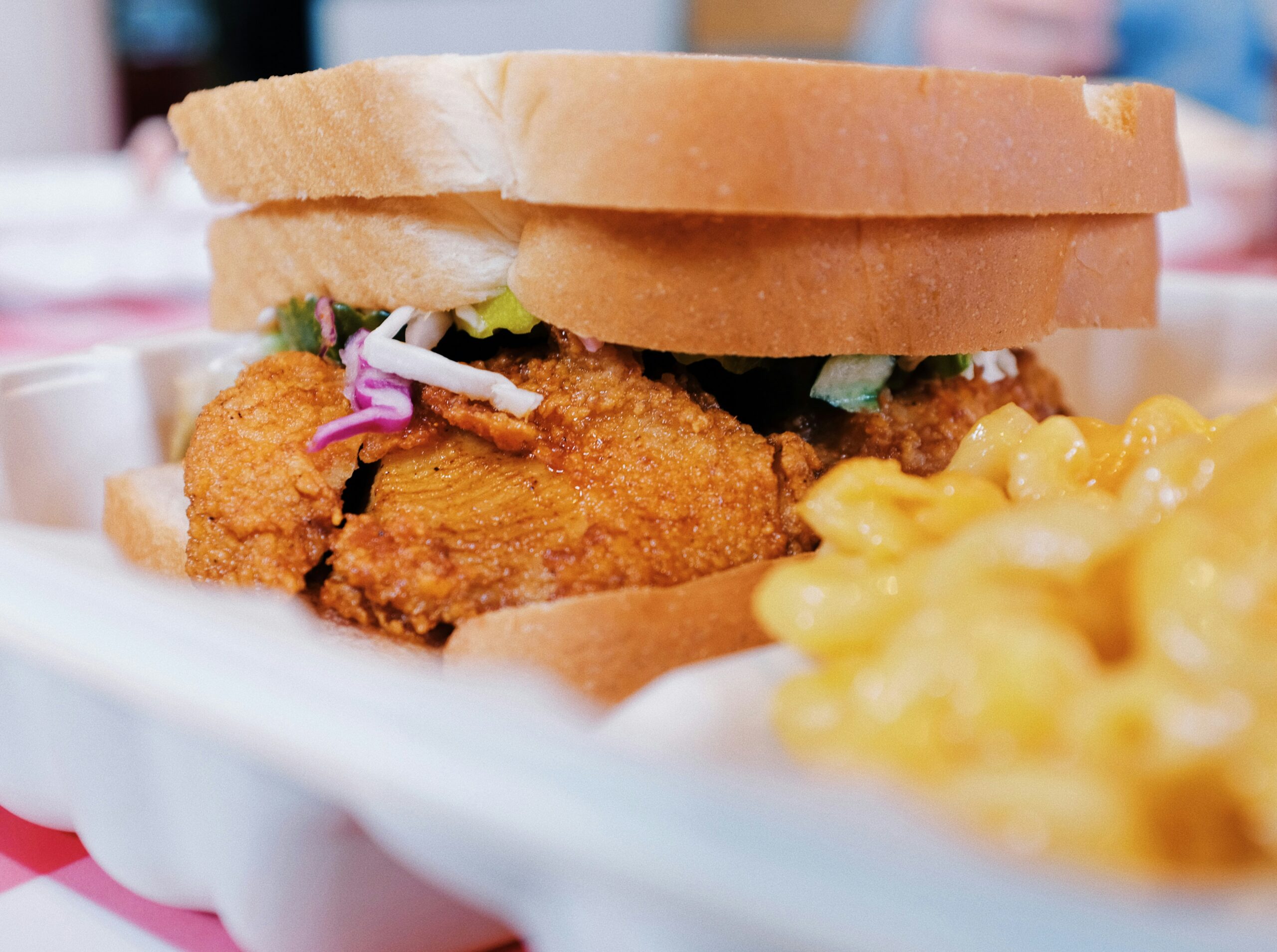
A heavy heat pressed down on East Nashville that day. One hour stood between me and lunch, stuck in a queue others always talk about. Sweat rolled slowly while doubts crept in. Suddenly there it sat -crisp edges glowing amber, streaked in deep red grease. Pale bread held it together, dill spears poking through the sides.
A single bite erased the scorching sun. The wait melted away after that first taste. All thoughts vanished once it hit my tongue.
Midway through, the flavors hit hard -sharp heat wrapped in rich butter, a hint of sugar sneaking in. This wasn’t only spice; it carried character, bold cayenne building slowly until my mouth burned, tears forming without warning. Perched on the edge of that old bench, shirt damp, face flushed, I chewed fast, barely pausing, finishing every last piece as if starved. The moment lasted longer than expected, messy fingers, empty plate, complete silence after.
Ever since, I keep running after it without pause.
After a long stretch of trying things out -plus one or two kitchen disasters involving way too much heat – I finally figured it out. This dish works just fine in any regular kitchen. Forget booking flights to Memphis. The answer was here all along.
What Is Nashville Hot Chicken?
Right off the bat, one thing needs straightening out.
Firecracker heat isn’t the whole point of Nashville hot chicken. It’s more like calling a thunderstorm just noise -sure, it fits, yet somehow everything vital slips away unseen. The crunch holds secrets.
Fingers brush against time, a whisper of the past sparking to life. A moment old yet suddenly here, close enough to feel. Before teeth meet crust, stories rise like steam.
Fresh cuts -thighs, breasts, wings -soak first in buttermilk; that soak eases toughness while bringing depth to the meat. Next up, every section rolls into seasoned flour before hitting hot grease where it fries until the outer layer crunches loudly under pressure. When lifted out, a douse of oil mixed with cayenne follows -color deepens to burning rust, heat lingering low on the mouth after each bite.
Most folks miss this point. Heat hides not only in the coating. But inside, the last drop of oil brushed on top. That’s where it lives.
The result? A bird that’s simultaneously :
– Crispy on the outside
– Juicy on the inside
Rich flavor pulls you in, makes each bite linger just right
That pale bit of bread hiding below? Not quite a roll. More like a sponge. Soaked in the hot grease, it turns into something tasty on its own. Best not to leave it behind.
Heat levels matter but we’re starting anyway
Mistake I’ve lived through -spare yourself the trouble.
A funny thing happened the first go-around with this recipe -assumed extra cayenne meant closer to the real deal. Poured that spice into the oil like it owed me something. I ended up wondering why my mouth felt like a battlefield.
Big mistake. Huge.
Downing into the chair, a single chew sent shockwaves through my chest. Not chicken – flames, nothing else. He stepped inside, eyes catching mine wet above the counter, then edged backward without a word.
Start where I ended up hurting. Follow the numbers shown here. More spice comes later, if you want it. Once it burns, there is no fixing that.
Heat in most Nashville joints runs from gentle “Southern” clear through to “Shut the Cluck Up” -proceed carefully. This version sits right in the middle of that spread. Noticeable kick? Yes. Overpowering the bird? Not even close.
Ingredients You Will Need
Buttermilk Brine Ingredients
– 2 cups buttermilk (full-fat works best)
Two spoonfuls of spicy liquid heat go in -Crystal feels right, Texas Pete fits just as well, though Frank’s does the job too
– 1 tablespoon kosher salt
– 1 tablespoon brown sugar
– 1 teaspoon black pepper
– 1 teaspoon paprika
Flour Dredge Use
– 2 cups all-purpose flour
– 2 tablespoons kosher salt
– 2 tablespoons black pepper
– 1 tablespoon paprika
– 1 tablespoon garlic powder
– 1 tablespoon onion powder
Start with one teaspoon of cayenne pepper – it handles the surface only. Actual spice builds afterward
A pinch of baking powder helps things turn golden. Crispness gets a boost when heat hits it. Tiny bubbles form right away. This little lift makes surfaces crunchier. Air pockets grow fast at first sizzle. That soft rise leads straight into crackling edges. Heat changes everything here quickly
Spicy Finishing Oil
One cup of oil used for frying -keep a portion aside during cooking, that matters most
Begin with four tablespoons of cayenne – more can come later. Six is the top if heat feels right. Trust that less at first works better
– 2 tablespoons brown sugar
– 1 teaspoon smoked paprika
– 1 teaspoon garlic powder
– 1 teaspoon chili powder
For Serving:
Not crisp, not dense – just pillowy and plain. Skip the fancy types with seeds or tangy smell. This moment calls for something familiar, almost too simple. Think childhood sandwiches, cafeteria trays, nothing elevated. The sort that tears easily when squeezed. Mass-produced, yes, but exactly right here
The Chicken:
Begin using around three to four pounds of chicken pieces with skin and bones intact. Because thighs cook evenly, drumsticks stay juicy when heated slowly. White meat dries out too fast, especially if left on heat past ideal time.
Pieces like breasts might lose moisture too fast, so better skip them here
A splash of vegetable oil works just fine, though peanut oil fits too. About two or three inches deep in the pot should do it. Fill only enough to reach that level – no need to go higher. The right depth keeps things cooking evenly without waste
Let’s Start Cooking Step by Step
Step One The Brine Essential
Fried chicken lives by what’s inside. That part deserves attention – without care there, nothing else matters.
Floating beneath the surface is key – drop chicken parts into a mix of brine elements inside a big container one evening prior, or four hours ahead if needed. Everything gets tucked under liquid properly before going into cold storage, covered tight through chilling time.
Right, right -getting ready early feels like a chore. Still, inside that cold box something useful unfolds: buttermilk softens the chicken as salt and seasonings push slowly inward. Result? Meat stays moist, tastes rich from edge to center, not just at the skin.
A couple of hours can help when time is tight. Yet the real shift happens after a full night. Magic lives in the longer wait.
Step Two Dig In
Once dinner nears, tip the flour blend into a broad bowl. Mix it all well till nothing stands apart.
Start by placing each piece on the metal rack, spacing them out slowly. One follows the next till all the chicken sits in order. Hold everything exactly where it is for roughly a quarter hour. This quiet stretch lets the coating bond well – meaning once it meets the sizzling fat, none of it breaks free.
Here’s why it counts: letting it sit gives the flour a chance to soak in moisture, forming tiny rough edges. These turn golden and crunchy when fried. The result? Not just tasty, but something you keep reaching for without thinking.
Step Three The Fry Stay Safe Stay Focused
A few inches of oil go into a thick pot. That gets warmed until it hits 325 degrees. Without a gauge, toss in a pinch of flour – bubbles form slow, not wild. The reaction shows when it is ready.
A few pieces at a time – the pot cools too much if you rush it – ease each chicken piece into hot oil. Golden color shows up when it is ready, that means the inside has finished cooking
– Thighs/drumsticks: about 12-15 minutes
– Breasts: about 15-18 minutes
– Wings: about 8-10 minutes
Here’s a thing – bone-in chicken often tells you more by how it looks than what the thermometer says. That crisp, golden skin? A solid hint. Watch the juices too; when they stop looking pink, you’re close. Sure, 165°F matters, but sight and feel play bigger roles here.
Set them on a wire rack instead of paper towels – wet bases ruin everything. Resting comes next. Now pay attention. Save roughly one cup of the hot oil used for frying. Push it through a tight strainer to clear out crumbs. That leftover grease? Worth more than it seems.
Final Coat of Oil
Here we go. Time to see what happens.
A pinch of cayenne goes into the bowl first. Next comes spoonfuls of dark brown sugar, tumbling in after. Smoked paprika drifts down on top like dust at dusk. Garlic powder follows without rushing. Chili powder lands last, mixing slowly as heat begins to rise.
Floating just above the stove, warm that saved cooking oil till it shimmers without a trace of smoke. Over the spices, tip it gently – it will rise and release an aroma you won’t forget. Mixing now, bring everything together.
Back up before pouring. Steam hits like fire – trust me, breathing it means tears and sudden silence where people used to be. Just try it and see.
Step Five The Glaze
Funny how one kitchen moment turns you into the star of spicy chicken tales. Ever taste fame that crackles? That heat around your fingers might just be legend warming up.
Start by setting the crispy chicken onto a wire grid above a tray – oil drips will happen. A brush works best to spread the hot oil across each chunk. Cover front and back. Hit every ridge and corner. Go heavy; it needs that kick.
Shiny droplets cling to the meat, slick and rich. Red juice runs slow, pooling slightly at the edges. That deep color wraps around every curve, wet and heavy.
Step 6 The Assembly Tradition Matters
Hold on tight. You can’t skip what comes next.
Start with laying some soft white bread slices on a plate. On top goes the glazed chicken, warm and ready. Pickle chips follow – tossed right over the meat, or just set beside it. Either way fits fine.
Spicy oil from the chicken seeps into the bread, giving it a rich kick that’s hard to ignore. Pickles jump in sharp and tangy, balancing out the burn. Every bite lands just right – no exceptions.
Lessons From My Failures
1. Frozen gears grind when heat stays away. Hot days hum differently near engines left running too long.
Fires too high? The crust turns black before the center warms through. Run it low, though, and the breading sops up oil like a sponge. A small tool fixes both – grab one that reads heat right. Flavor wins when numbers guide the pan.
2. Use a splatter screen.
Spending sixty minutes wiping red chili grease from every corner of your kitchen might not be fun. Thought I’d mention it.
3. Open a window.
The scent filling your home might surprise you – warm, sharp, alive. For nearly half a day though, it leans into something harsher, like industrial heat and spice. Open windows change the mood fast. Air moves through, shifts things.
4. Milk might be nearby. Bread could sit close too.
Here it is. Not about cooking steps. Meant for moments when heat sneaks up, sharper than you thought. A sudden burn catches you off guard. Milk works where water fails. It handles the sting. That’s all.
5. Double the pickles.
Somehow, it turns out you never have enough pickles. Every time.
6. Make extra.
One bite of this chicken vanishes before you notice. It multiplies – two pieces turn into five. Five pulls the rest from the plate without warning.
The First Bite What To Expect
That moment your teeth break through the crust of homemade Nashville hot chicken – after waiting hours, possibly days – this unfolds. Heat rushes forward, sharp at first, then layered with sweet smoke. Each crunch adds texture, loud between thoughts. Spice climbs slowly, not attacking but building like a story. The meat inside stays tender, almost cool compared to the fire on its skin. Oil glistens on your fingers, proof of effort spent. A deep savor lingers past the burn, earthy and real. Time pauses just enough to notice.
It starts with the sound. A rough, breaking edge opens to soft flesh beneath. Not hot at first – just warmth building slow, touching your mouth, sparking little shocks on the tongue. Just as the burn feels familiar, a sharp tang of pickle arrives, slicing clean through, washing the slate bright again.
That bread down below? Drenched in hot oil, a touch sugary from brown sugar, edged with salt from the brine – could actually steal the sh…