The Bowl That Shifted My View on Soup
Midway through eating, some dishes make time freeze. That one bite leaves you motionless, utensils paused in air, caught off guard by taste exploding on the tongue. My own pause came inside a humid food market in Penang during 2018. What caused it?
The woman at the counter had spent four decades mixing the same dish, her hands moving without thought. Words between us were few – hers broken by Malay, mine clumsy in return. Then came the bowl, pushed forward without ceremony. First taste. Everything else fell silent. Understanding arrived not in speech but steam and spice.
What took me so long to find a broth this good? It hits different.
Bright morning light hits the counter where we start. This time no plane ticket matters. Not speaking another tongue changes nothing. Real Malaysian home cooking fills the space instead.
What Malaysian Laksa Really Is?
Now comes the part that feels a bit tangled – yet I’m breaking it down clear.
A bowl named laksa never stays the same twice. Across Malaysia, popping up in Singapore, even drifting through corners of Indonesia, it breaks into dozens of noodle broths – none quite copying another. Think of a reunion where every guest brings their signature plate. Each taste carries quiet tales, tucked between spoonfuls.
Picture a bowl. Steam drifts up from Laksa Lemak, soft and steady. A sheen of coconut milk coats the top. Others call it Curry Laksa – rich, gripping every noodle. Warmth spirals into the air, tugging you near, uninvited. As you move closer, the smell takes hold – not sharp, but full, layered, breathing with spice. A single spoon breaks the surface, pulls a trail of smoothness through rising steam. Warmth shows up first, flavor follows behind. Every mouthful seems known, even if your hands have never shaped these exact strands. They curl into the thick taste as if born inside it. You do not need wet skies to believe you must eat this now
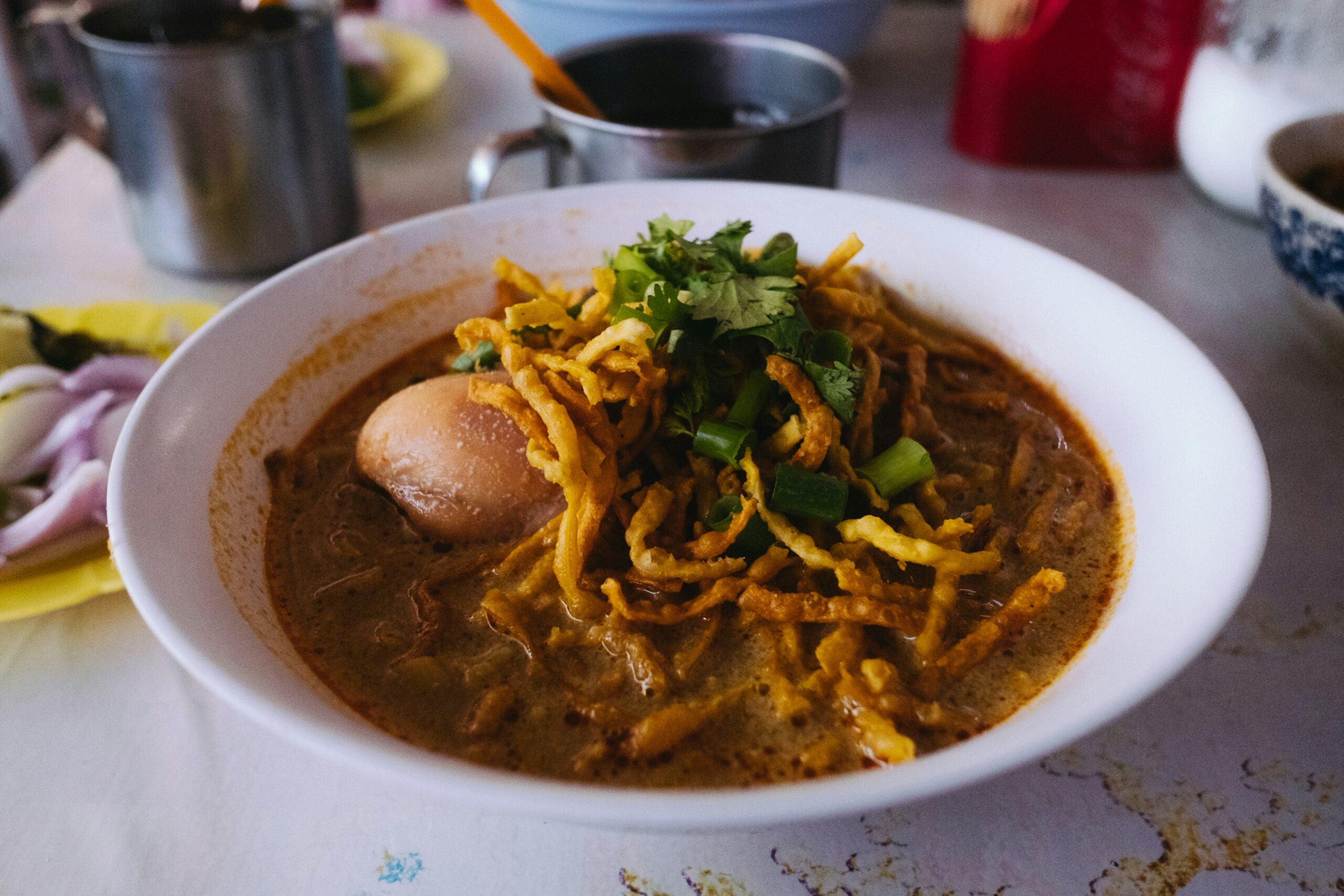
Each bite hums with depth, not shouting but simmering low and steady. You finish without realizing how fast the bowl emptied. That kind of meal doesn’t need fanfare – it leaves its mark quietly.
The quick breakdown:
Starting with a rich coconut milk foundation, this dish feels smooth on the tongue. Creaminess wraps around each spoonful, gentle but present. A light kick of heat lingers just enough without pushing too far. Comfort arrives quietly, settling deep with every bite. Not loud, not flashy – just deeply satisfying in its own steady way
A sharp tang hits first – tamarind drives the broth here. Sour notes dominate, cutting through rich layers beneath. Fish isn’t just present; it shapes the entire flavor base. This doesn’t echo other laksas – it carves its own path. The mood shifts entirely, bold and briny where others are creamy
One steals the show just a little more right now. That velvety twist – soft like afternoon light – is what we’re exploring instead.
The Hidden Truth of Real Laksa
Here’s the thing – most folks grab curry powder then stop there. That move misses the point completely.
That shortcut – I gave it a go right after Malaysia. What showed up? A swirl of yellow dust in creamy coconut liquid. It can be eaten. Without question. Transformative experience? Not even close.
A good laksa begins with rempah, a blend of spices ground slow until rich. What most miss? That magic hides in pounding fresh chilies, garlic, shallots together – no shortcuts here. This mix simmers into the base, giving warmth that store versions never reach. Life-changing sounds strong – but wait till you taste the real thing made right
Your Rempah Essentials
Ingredient – Why It Matters
Dried Chilies Bring Heat and Rich Red Color
That earthy taste? Only fresh turmeric delivers it. Powder won’t touch the depth found here
Galangal Delivers a Citrus Pine Flavor Ginger Cant Match
That pungent shrimp paste? It’s what gives Laksa its soul. Without it, the broth feels hollow – missing that deep, salty punch. Smell hits first: sharp, fermented, almost wild. Then comes flavor, slow-building and rich. Think of it as the quiet force behind every great bowl. Not much looks, but everything tastes wrong without it
Lemongrass adds sharp clean freshness
Candlenuts add thickness with mild sweetness
Okay, here it is straight. That initial hunt for real galangal had me wandering an Asian market, nose deep in random bins, totally lost. A sweet older lady finally noticed and stepped in. Skip the guessing game next time. Someone will point you right if you just speak up. Otherwise, scan for the bumpy tan root – sort of ginger-shaped, yet smelling like citrus rolled through a forest after rain.
building your bowl step by step
Step 1: The Rempah Take Your Time Here
Finding calm matters most right here. Across Malaysia, older women crush the mixture using stone tools, working it till soft like flowing water. One time I took the old path, another I chose the machine’s speed.
Fair warning – grab the food processor. Your arms might actually survive dinner.
Frying the mixture later is something you simply can’t skip.
Start by dropping the mixed rempah into sizzling oil, letting it bubble gently as color deepens. The scent rises slow, warm, sharp – like something hidden finally being let loose. As liquid fades, taste grows richer, fuller, awake. Rawness slips away without warning, replaced by depth that builds quiet but sure.
When oil begins to pull away from the mixture, you’re there. This is what works.
Building the Broth Where Things Change
Now that the spice paste smells rich and deep –
1. Start with coconut milk straight from a can – skip the light kind, skip whatever sits in a box at the store. Go full-fat. That creamy richness makes all the difference. Trust your tongue here. It wants the real thing.
2. Start with homemade broth when possible – store-bought fits fine if time runs short. A solid brand holds its own without fuss
3. Add chicken pieces to simmer in the broth
4. Once it’s bubbling gently, start getting the extras ready on the side
A friend figured this out after a messy kitchen moment: if you rush coconut milk with high heat, it breaks apart. Soft simmer instead. Patience matters here. Speed changes nothing good.
Step Three Dealing With The Noodles
Traditional Laksa Lemak includes one of these
Thick Rice Noodles Vermicelli’s Thinner Cousin
Yellow Egg Noodles Bouncy Springy Type
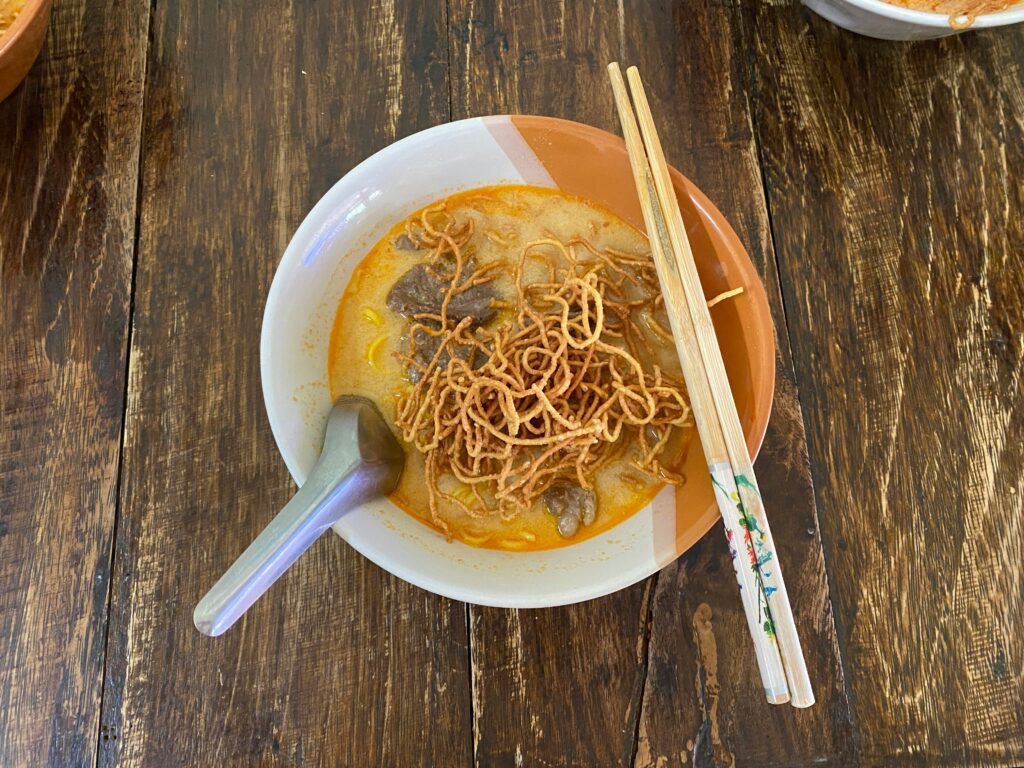
Maybe even something else entirely – yes, that mix again, the one that feels true.
For real. The way the textures work together surprises you. Rice noodles, tender and soaked through with soup, meet bouncy egg noodles right there in each spoonful – each mouthful shifts just a little under your teeth.
Toppings That Bring Flavor
Far from a quiet bowl with just a few lonely components taking center stage. A proper laksa throws a gathering – loud, full, every flavor arriving together.
The Essential Lineup:
Bean Sprouts Add Crunch And Freshness
Cucumber Strips Add Cool Contrast
Hard Boiled Eggs For Protein
Fried Tofu Puffs Soak Up Broth
Fresh Mint Cilantro Brightness
Fried Shallots Crisp Savory
Sometimes it shows up warm, sometimes not – pick what stings your tongue. Heat arrives separately, waiting like a question. Choose mild if you hesitate. Go fierce when ready. Fire lives beside the plate, never forced
Out of nowhere, that bowl came together – lime juice dripping, sambal piling high, every ingredient tossed in without hesitation. At first glance it looked like madness. Too many pieces thrown into one space. My gut said it would clash. Yet somehow, each element stayed clear, sharp, present. Nothing faded. The heat didn’t drown the sour. The sour didn’t kill the spice. Balance showed up where I least expected
Stillness held it together. Glory lived in the quiet.
The Recipe Is Yours To Make
Authentic Malaysian Laksa Lemak