Warm chicken broth with noodles wins hearts without trying hard. From old folks to kids, city kitchens to countryside huts – it keeps returning to bowls everywhere. Still, most miss how different each batch can feel. One might fade fast while another sticks around in your mind – all because of tiny choices people tend to overlook.
Truth is, chicken noodle soup works because of how long it cooks. Not the smell, not old memories – the slow soak draws taste out of marrow and thyme. Illness changes how you feel; this kind of warmth eases pain, opens airways, helps swallowing. Fancy tools? Unnecessary. So does perfect technique. Try real stock instead of canned every now and then. Later goes the carrot, should you prefer it holding its shape. One single bay leaf – no more – adds depth while staying quiet. Just before serving, dill comes in, softening each bite.
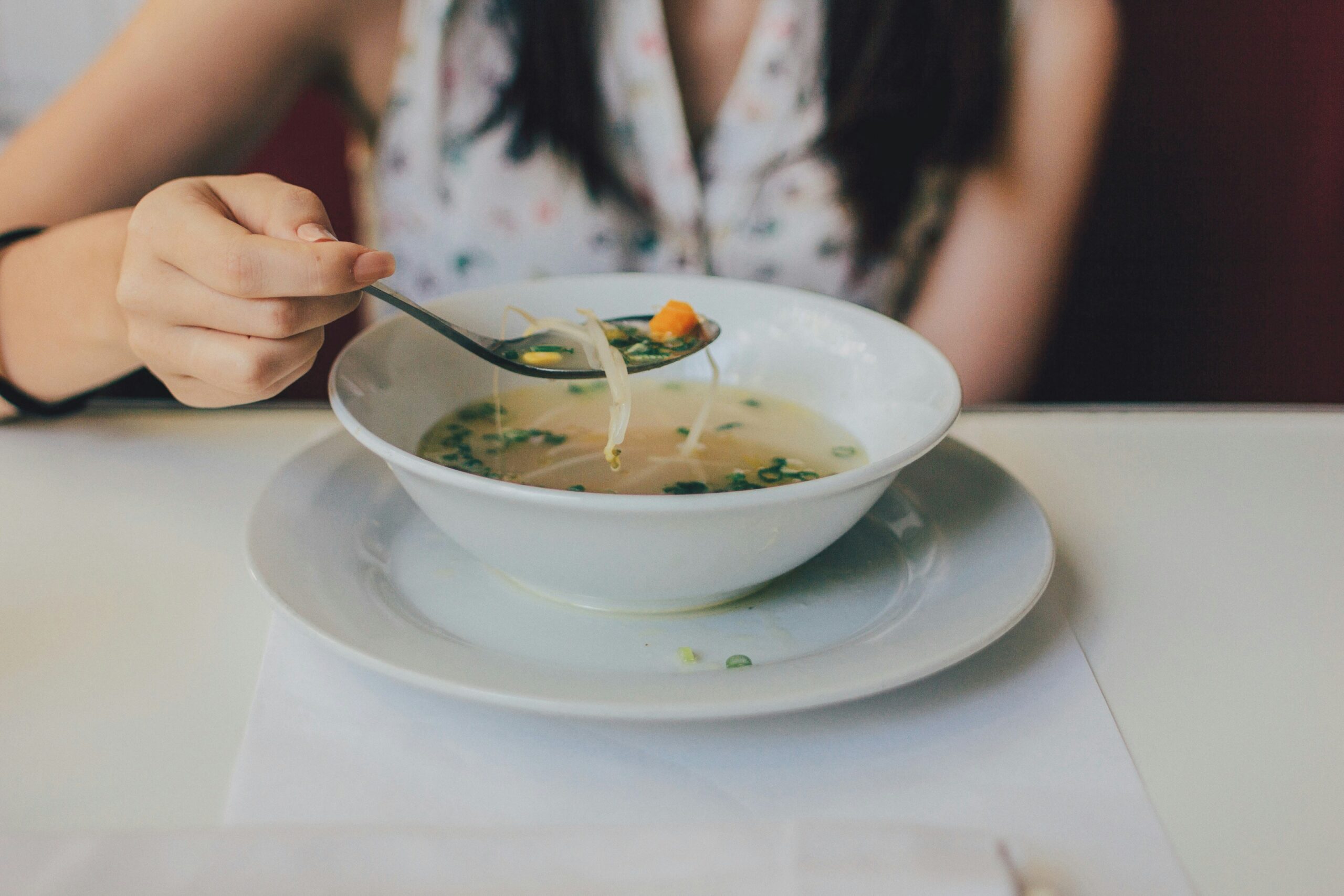
That shift lets air move easier not long after eating starts. Heat from broth adds moisture where needed. Salt supports fluid balance deep within tissues. Vitamins and minerals arrive right when demand increases. Each element plays its role without drawing attention. Relief shows up quietly, one sip at a time.
Truth is, facts cover just a slice. Everything else lives in feeling. That soup Mom warmed on sick morning sticks around. Friends show up with it when talk feels heavy. A quiet plate speaks louder than phrases ever could.
The Parts That Really Count
Start with real chicken, not just bits tossed in. A homemade broth brings depth a jarred mix can’t touch. Herbs like parsley finish it clean, not perfumey. Even reheated, it holds together when stored right. Each part plays its role quietly and clearly.
The Broth Situation
Few realize how much hinges on this step – some broths thrive here, others collapse without warning.
Truth is, boiling bones for hours midweek? Not happening. Store versions work just fine. Yet nearly every carton falls flat – thin flavor, zero depth. Most forget it craves a boost. A pinch of salt helps. So does fresh garlic. Even leftover herbs revive it. Skip the upgrade, you’re left with watery warmth at best.
Out of nowhere, the solution turns up looking way too basic. Toss the packet soup into a pot alongside smashed garlic, half an onion lying around, scraps of parsley stalks, followed by a few cracked peppercorns – let it bubble gently for about twenty minutes prior to adding more ingredients. Pull out chunks later by hand when done, unless you happen to own a strainer and feel like using it. Without warning, that shortcut liquid now smells and sips like effort lasted hours.
Lately, bone broth grabbed attention – turns out it’s got substance behind the spotlight. Thickness stands out, plus extra protein, along with a smooth richness most broths miss entirely. Hot water meets plain gelatin powder? That tiny swap brings depth similar to hours of slow cooking. The result feels full, almost sticky on the tongue, just like the real thing. Simmering isn’t always necessary when science helps mimic what time usually gives.
The Chicken Question
Some folks pick white. Others swear by darkness. That split keeps families arguing, year after year.Yet their lack of fat can backfire fast when heat lingers too long. Juicy results aren’t guaranteed – dryness creeps in without warning. Dark meat tells a different tale entirely. Thighs welcome longer cooking times without protest. Their richness guards against drying out, even during unplanned delays. Moisture holds on tight, thanks to built-in protection. That extra fat does more than preserve texture – it deepens the taste of whatever simmers alongside.
Slide it into your pot near the finish. The broth gains depth fast. Roasted taste appears out of nowhere. Effort stays low. Time shrinks too. Everything blends quickly. That warm richness shows up again.
Noodle Details Rarely Mentioned
Still, plenty of shapes can step in – tiny rice-shaped ones, small tubes, even snapped-up strands might do fine instead.
Funny thing happens when you boil pasta alone. Sure, another pan, more cleanup later. Yet listen close – drop strands into simmering stew, save some for next day, disaster waits. Overnight, each piece swells greedy, sopping up every drop it finds.
oss them into a container once done. Slide them into each bowl only when warming up meals later. That little move pays off down the line.
Veggies Are More Than Just Extra
Of course carrots bring a quiet crunch, their orange bright against the plate. Yet celery does something similar, cool snaps between bites. Still, plenty else waits nearby. Sweetness hides in other shapes too.
Not just ordinary roots – parsnips give a deep, soil-like warmth. Fennel slips in a hint of anise, quiet but clear. Leeks? They tasted like onions and decided to relax. Toss in some spinach or kale near the finish for bright hue and hidden strength.
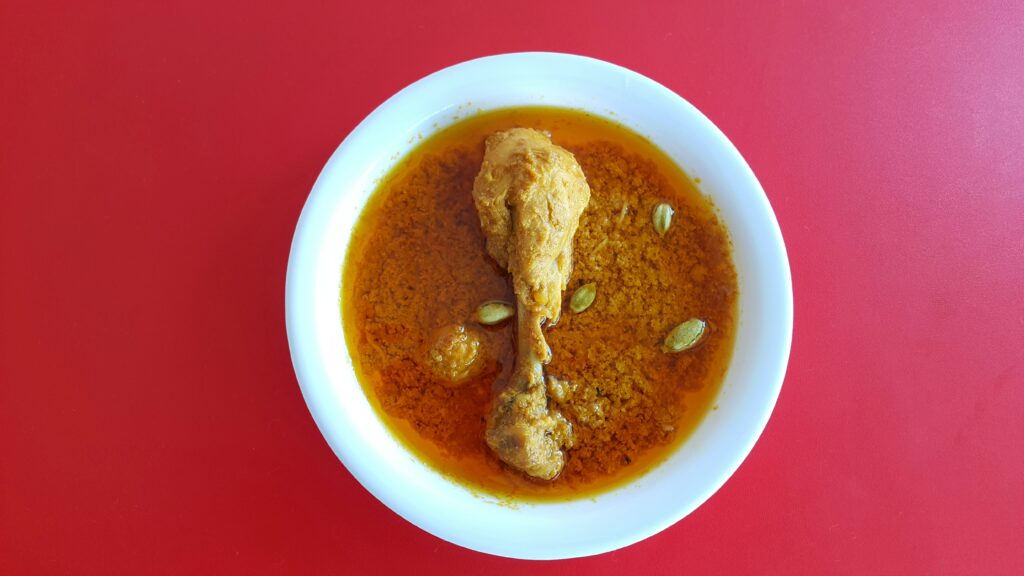
Start cooking veggies at the beginning for a tender feel throughout the mix. Wait till near the end to keep them firm under your teeth. Texture depends on timing, nothing more. Some like it smooth, others enjoy a crunch. Choice shapes the result, not rules.
What Your Soup Reveals About You
Turns out, your method for chicken noodle soup says a lot about your usual kitchen habits. How you handle broth might mirror how you face recipes overall. Sometimes it’s less about rules, more about instinct. A pinch here, a guess there – those choices add up. Even boiling water can show your pace. Stirring slowly or rushing through? That rhythm tends to repeat. The pot doesn’t lie. Comfort often shapes decisions before precision does.
A person who cooks by the recipe sticks close to each step, weighs ingredients with care, yet always gets the same outcome. Moving off script, another stirs loosely, samples often, ending with small changes each round. Then there is the one guided by what sits inside the refrigerator – using chicken noodle soup like a rescue mission, mixing in stray veggies, half-used mushrooms, even dried-up bits of tomato paste.
Not a single one of these methods misses the mark. Each reflects its own way of connecting to what we eat.
Regional Differences to Be Aware Of
What do you think is just chicken soup? Actually, it shifts shape every time. A different version appears in each kitchen. Every pot tells another story.
Chicken soup isn’t just food here – it’s memory, warmth held in a bowl. The Ashkenazi way keeps it bare: golden liquid, soft dumplings or thin strands of noodle, sprigs of dill, tender meat. Nothing extra hides underneath. Just the truth, simmered slowly. A kind of quiet healing found only when things are left alone.
Out of nowhere, coconut milk pulls sharp galangal into line. Lemongrass stalks trail close behind, followed by crumpled lime leaves that release their scent slowly. Chicken, soft and broken apart, settles into the liquid without fuss. The flavor seems known at first glance – yet nothing quite matches it. Warmth spreads with every bite, low and constant, not asking for attention. Stillness lives inside each spoon.
From a steaming pot comes Mexican chicken soup. Chunks of poultry swim with corn at first. Zucchini slides in next, quiet and unannounced. After that, jagged pieces of cabbage drop into the heat.
Inside each bite, liquid ties together green traces and tender vegetables bent by time. Herbs whisper through every mouthful.
Steam lifts, carrying warmth as ginger greets sliced scallions in the broth. The liquid shines pale, deeper in flavor because of bones cooked long and low – more translucent than many know. Here, star anise slips in gently, leaving a hint of something soft beneath the vapor trail. Brightness lives hidden inside each portion, shaped slowly by subtle touches others overlook.
A single pot can hold many choices. Every batch finds its own way.
common mistakes and how they happen
Countless tries later, this is where things usually fall apart
Most folks underestimate how much salt soup truly wants. When the heat drops, flavors fade – what sings hot might whisper cold. Go slow. Adjust bit by bit. Your tongue knows better than any rule. Trust it.
That sharp note? Leave it out. A bit of lemon juice, maybe some vinegar, added right before serving – this lifts every taste that’s already there. Not aiming for tanginess. Just stirring the whole mix to life.
Turn ordinary into something you recall later, just like that.
Suddenly tender onions, carrots, celery – they lose depth when hurried. Flavor leaks away if heat pushes too fast. A slow softening pulls out what matters. Skip patience, severe thinness instead.
Making It Your Own
A good bowl of chicken noodle soup doesn’t follow strict rules. It shifts – depending on what you like, how much time you have, even which ingredients are nearby.
Ginger could land in there too, just to bring heat. Black pepper may pile in high – just like Grandpa used to do.
Even if nobody notices, the soup still waits. Ready when someone stirs it slowly, then passes it around.
Share your moment with chicken soup. Maybe someone warmed your day by preparing it just when things felt heavy. Could be a recipe that traveled from grandparent to parent to you. Leave a note here – really want to know what yours looks like. Tried one of these tricks while cooking? Circle back later, share how it worked out.
It starts small – a bowl of warm soup on a quiet day. Good food often means good company, maybe even better health without trying too hard. Moments like these stick around longer than expected.